
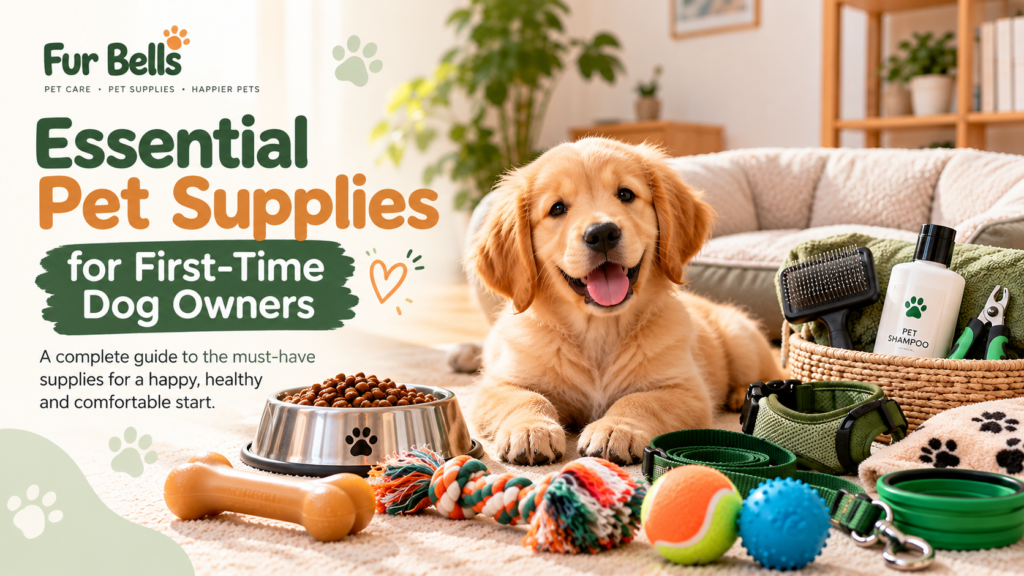
Bringing a dog home is an exciting experience. Whether you’re welcoming a playful puppy or adopting an adult dog, having the right supplies can make the transition easier for both you and your new companion.
From everyday essentials to grooming tools and interactive toys, choosing suitable products helps you create a comfortable, safe, and enjoyable environment for your dog.
In this guide, we’ll explore the essential pet supplies every first-time dog owner should consider.
1. Food and Water Bowls
Food and water bowls are among the first things you’ll need when bringing your dog home. Choose sturdy, easy-to-clean bowls that are appropriate for your dog’s size.
Stainless steel bowls are a practical option because they’re durable and generally easy to maintain. Keep fresh, clean drinking water available throughout the day, and wash the bowls regularly.
Buying tip: Choose bowls that are stable enough to prevent unnecessary spills during mealtimes.
2. High-Quality Dog Food
Your dog’s nutritional needs depend on factors such as age, size, activity level, and health.
Puppies generally need food formulated for growth, while adult dogs require a diet suited to their life stage. When bringing a dog home, ask the previous caregiver or adoption centre what food the dog is already eating.
If you plan to change the diet, introduce the new food gradually to help minimise digestive upset. Consult a veterinarian if you’re unsure which food is appropriate.
Buying tip: Look for complete and balanced dog food that suits your dog’s life stage and individual needs.
3. A Comfortable Dog Bed
Every dog needs a comfortable place to rest. A suitable bed can provide a dedicated sleeping area and help your dog settle into its new home.
Consider your dog’s size, sleeping position, and chewing habits when choosing a bed. Puppies may benefit from a washable cover, while older dogs may need additional cushioning.
Place the bed in a quiet area where your dog can relax without being disturbed.
Buying tip: Measure your dog before purchasing a bed to ensure it has enough room to stretch out comfortably.
4. Collar, Harness, and Leash
A properly fitted collar, harness, and leash are important for everyday walks and outdoor safety.
A collar can hold an identification tag, while a well-fitted harness may offer better control for some dogs, particularly those that tend to pull. Choose equipment that fits securely without rubbing or restricting movement.
Check the fit regularly, especially while your puppy is growing.
Buying tip: Prioritise comfort, secure fastenings, and suitable sizing rather than appearance alone.
5. Durable Dog Toys
Dogs need opportunities to play, explore, and stay mentally stimulated. Toys can provide enrichment and help make everyday activities more enjoyable.
Consider different types of toys, such as:
- Chew toys: Designed to provide an appropriate chewing outlet.
- Fetch toys: Suitable for supervised games of fetch.
- Puzzle toys: Encourage dogs to explore and work for treats.
- Interactive toys: Help make playtime more engaging.
Choose toys according to your dog’s size, age, chewing strength, and play style. No toy is completely indestructible, so inspect toys regularly and remove damaged pieces.
Buying tip: Supervise your dog with new toys and avoid toys small enough to swallow or those that can easily break into dangerous pieces.
6. Grooming Supplies
Regular grooming helps keep your dog clean and gives you an opportunity to check its skin, coat, ears, paws, and nails.
Depending on your dog’s coat type, useful supplies may include:
- A suitable grooming brush or comb.
- Dog-specific shampoo.
- A towel for drying.
- Nail clippers designed for dogs.
- A dog toothbrush and pet-safe toothpaste.
Different breeds have different grooming requirements. Ask a veterinarian or professional groomer for advice if you’re unsure which tools are appropriate.
Buying tip: Choose grooming products specifically designed for dogs, and introduce grooming gradually so your dog can become comfortable with the process.
7. Poop Bags and Cleaning Supplies
Responsible dog ownership includes cleaning up after your pet and maintaining a hygienic living environment.
Keep poop bags near your leash so you can take them on walks. At home, use pet-appropriate cleaning products to clean accidents and follow the product’s safety instructions.
Wash your dog’s bedding and clean food and water bowls regularly.
Buying tip: Store cleaning products securely out of your dog’s reach.
8. Identification Tag and Microchip
Identification can help improve the chances of being reunited with your dog if it gets lost.
A collar tag should include current contact information. You can also ask your veterinarian about microchipping and how to keep the associated registration details updated.
Remember that a microchip is not a GPS tracker; it provides identification when scanned by someone with a compatible reader.
Buying tip: Check that your contact details remain accurate whenever your phone number or address changes.
9. A Pet First-Aid Kit
A basic pet first-aid kit can help you prepare for minor incidents while you contact a veterinarian when necessary.
You may include gauze, non-adhesive dressings, a digital thermometer suitable for pets, disposable gloves, and your veterinarian’s contact information.
Do not give human medication to your dog unless a veterinarian specifically instructs you to do so. Serious injuries, breathing difficulties, suspected poisoning, and other emergencies require prompt veterinary attention.
Buying tip: Ask your veterinarian which first-aid supplies are appropriate for your dog and how to use them safely.
10. Training Treats and Basic Training Supplies
Training helps dogs learn household routines, respond to cues, and develop good habits.
Small treats can be useful rewards during short training sessions. A treat pouch can make rewards easier to access during walks or practice.
Keep training sessions positive, consistent, and appropriate for your dog’s age and abilities. Provide regular opportunities for exercise, rest, and social interaction.
Buying tip: Choose small treats that suit your dog’s dietary needs and account for treats when considering its overall food intake.
How to Choose the Right Pet Supplies
With so many products available, first-time dog owners can easily feel overwhelmed. Before buying, consider these factors:
Safety: Choose products appropriate for your dog’s size, age, and behaviour.
Durability: Look for well-made items that can withstand normal use. Check toys and accessories for wear and damage.
Comfort: Make sure beds, harnesses, collars, and grooming tools are suitable for your dog.
Ease of cleaning: Washable beds, easy-to-clean bowls, and maintainable accessories can make daily care simpler.
Budget: Start with essential supplies, then add optional toys and accessories as you learn more about your dog’s preferences.
Final Thoughts
Preparing for a new dog involves more than buying food and toys. The right combination of feeding equipment, a comfortable bed, walking accessories, grooming supplies, and safe toys can help you establish a practical daily routine.
Start with the essentials, learn about your dog’s individual needs, and seek veterinary guidance whenever necessary. With thoughtful preparation, you can help your new companion feel safe, comfortable, and welcome.
At Fur Bells, we’re passionate about helping pet owners discover useful supplies and practical tips for happier pets and happier homes.